
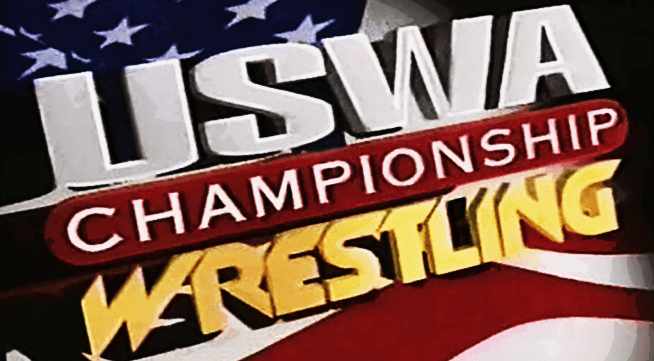
August 4, 1989—a date that marked a pivotal turning point in the landscape of American professional wrestling. On this day, two iconic regional wrestling promotions—World Class Wrestling Association (WCWA), based out of Texas and led by the legendary Von Erich family, and the Continental Wrestling Association (CWA), the Memphis powerhouse promoted by Jerry Jarrett and Jerry “The King” Lawler, formally merged to create the United States Wrestling Association (USWA).
This historic unification was more than a mere business deal; it was an ambitious attempt to survive and thrive amid the rapid national expansion of wrestling, which by the late 1980s was being dominated by Vince McMahon’s World Wrestling Federation (WWF) and Ted Turner’s World Championship Wrestling (WCW).
World Class Championship Wrestling (WCCW), which made a name for itself through cutting-edge television production and emotional storytelling centered around the beloved Von Erich brothers—David, Kevin, Kerry, Mike, and Chris. The promotion captivated fans in Texas and gained national syndication in the early-to-mid 1980s. But tragedy after tragedy—marked by the untimely deaths of multiple Von Erich sons—had eroded the company’s momentum by the end of the decade.
Meanwhile, the Continental Wrestling Association was flourishing in Memphis, known for its raucous crowds, weekly studio wrestling at WMC-TV, and high-octane feuds featuring homegrown stars like Jerry Lawler, Bill Dundee, Dutch Mantell, and Austin Idol. Promoter Jerry Jarrett’s vision of storytelling and long-term booking was rooted in psychology and grit, complementing the Texan style that WCWA brought to the table.
The idea behind the merger was simple: unify two powerful but regionally confined promotions into one national brand that could compete on a broader scale without sacrificing their grassroots fanbase. The new USWA would run shows in both Texas and Tennessee, alternating spotlight and talent between the regions.
USWA officially began operations on August 4, 1989. It retained the traditions and championship lineages of both parent promotions but aimed for a fresher, combined identity. Jerry Jarrett took the lead on the business side, while Lawler played a key role both in-ring and creatively. Kevin Von Erich continued to represent the family’s legacy in the new company, although the Texas wing would eventually diminish in prominence.
The first few months of USWA programming featured a mix of familiar faces from both CWA and WCWA, including Lawler, Kerry Von Erich, Jeff Jarrett, Eric Embry, and “Dirty” Dutch Mantell. Matches were taped for TV and aired in both Memphis and Dallas, attempting to balance both markets. However, Memphis quickly became the epicenter of USWA as the Texas presence waned over the early 1990s.
While USWA never reached the heights of WWF or WCW, it served as a critical developmental ground for future stars. Names like Stone Cold Steve Austin, The Undertaker (as “The Master of Pain” and later “Mean” Mark Callous), Brian Christopher, and Jerry Lynn all passed through USWA rings before rising to national stardom.
The merger also highlighted the challenge of balancing regional loyalty with national ambition—a challenge that would ultimately lead to the closure of the Texas branch by 1990 and the eventual end of USWA itself in 1997.
The formation of the United States Wrestling Association remains one of the most notable examples of territorial promotions attempting to adapt to a changing wrestling economy. While it may not have endured, USWA preserved the rich history of both the Memphis and Texas wrestling traditions, bridging generations of fans and talent.
 THE PRO WRESTLING WIRE